
Estate Agents in Twickenham
Dwelling & Manor is an independent estate agent serving Twickenham, helping homeowners, landlords, buyers and tenants across TW1, TW2, Twickenham Green, Strawberry Hill, East Twickenham and surrounding parts of Richmond upon Thames.
We provide residential sales, lettings, property management and property valuations, combining local property knowledge with professional photography, considered presentation and a personal, owner-led service.
Whether you are selling a period house, letting an apartment or simply want to understand what your Twickenham property could achieve in the current market, our advice is shaped around the individual home, its micro-location and current local demand.
Sales, Lettings & Property Valuations in Twickenham
A local estate agency service for Twickenham homeowners and landlords, from an initial valuation through to photography, marketing, viewings, negotiation, tenant sourcing and ongoing property management.
Sell a Property in Twickenham
Pricing strategy, professional photography, presentation, marketing, viewings, buyer follow-up and negotiation for Twickenham sellers.
Explore our property sales serviceLet a Property in Twickenham
Property marketing, tenant sourcing, referencing and management support for landlords across Twickenham, TW1 and TW2.
Explore our landlord servicesTwickenham Property Valuations
Free, no-obligation sales and lettings valuations informed by the property, local evidence, presentation and current buyer or tenant demand.
Book a Twickenham valuationProperty Management
Ongoing support for landlords who want professional oversight of tenant communication, inspections, maintenance and compliance.
View managed lettingsA More Personal Estate Agency Service in Twickenham
We combine traditional estate agency with professional property presentation. Every Twickenham instruction is considered individually, with pricing, photography and marketing shaped around the property, its likely audience and your objectives.
A consistent point of contact with clear communication throughout your sale or letting.
Strong imagery and presentation advice form part of the marketing strategy.
Advice shaped around TW1, TW2, property type, condition, competing stock and current demand.
Independent service combined with the wider network available through The Guild of Property Professionals.

Twickenham Property Market & Richmond upon Thames Context
Twickenham sits within the London Borough of Richmond upon Thames. Official borough figures provide useful context, but an accurate Twickenham valuation also needs to consider the exact road, property type, condition, tenure, presentation and current competing stock.
Richmond upon Thames, July 2026 provisional average.
Richmond upon Thames, August 2026.
Average private rents compared with August 2025.
Richmond upon Thames, July 2026 provisional average.
Property We Are Marketing in Twickenham
Real local property activity is useful evidence of the market we are working in today, rather than relying only on broad area commentary.
2 Bedroom Penthouse — Twickenham, TW1
A current Dwelling & Manor instruction in Twickenham, providing first-hand insight into buyer enquiries and apartment demand in TW1.
Living & Owning Property in Twickenham
Twickenham combines a historic Thames-side centre with period residential streets, major green spaces, direct rail links and a major international rugby venue.
Why move to Twickenham?
Twickenham appeals to families, professionals and downsizers who want a strong local identity with access to the Thames and central London. The historic riverside, Church Street, Eel Pie Island, Marble Hill and local parks give the area a distinctive character.
Direct rail services from Twickenham station support commuting, while the town centre offers shops, cafés, restaurants and everyday amenities. Rugby also forms an unmistakable part of the area's identity through Allianz Stadium, Twickenham.
Architecture & Twickenham property
Twickenham's housing includes Georgian and Victorian riverside buildings, Victorian and Edwardian terraces, family houses, inter-war streets, mansion flats and modern apartments.
Twickenham Transport Links
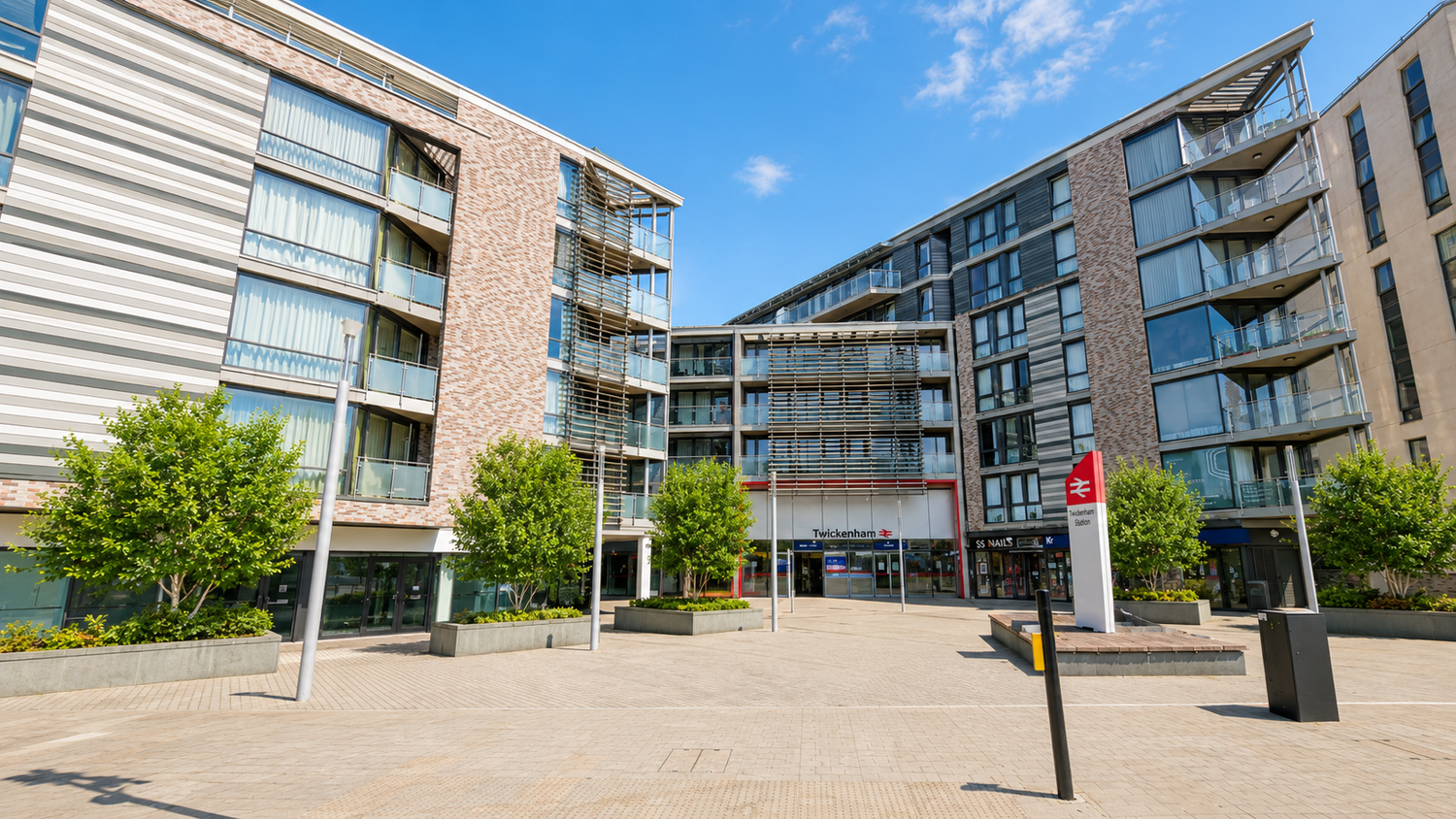
Twickenham station provides frequent direct South Western Railway services to London Waterloo, with Richmond and Clapham Junction providing useful onward connections.
Twickenham Station
Direct trains run between Twickenham and London Waterloo every day. The fastest published journeys can be around 23 minutes, although journey times vary by service.
Timetables vary. Check live National Rail times .
Local & Road Connections
The A316 runs through the wider Twickenham area and provides an important connection towards the M3. Richmond offers District line and London Overground services nearby.
England Rugby describes Allianz Stadium, Twickenham as around a 10-minute walk from Twickenham Rail Station. See official stadium travel information .
The Thames, Eel Pie Island & Marble Hill
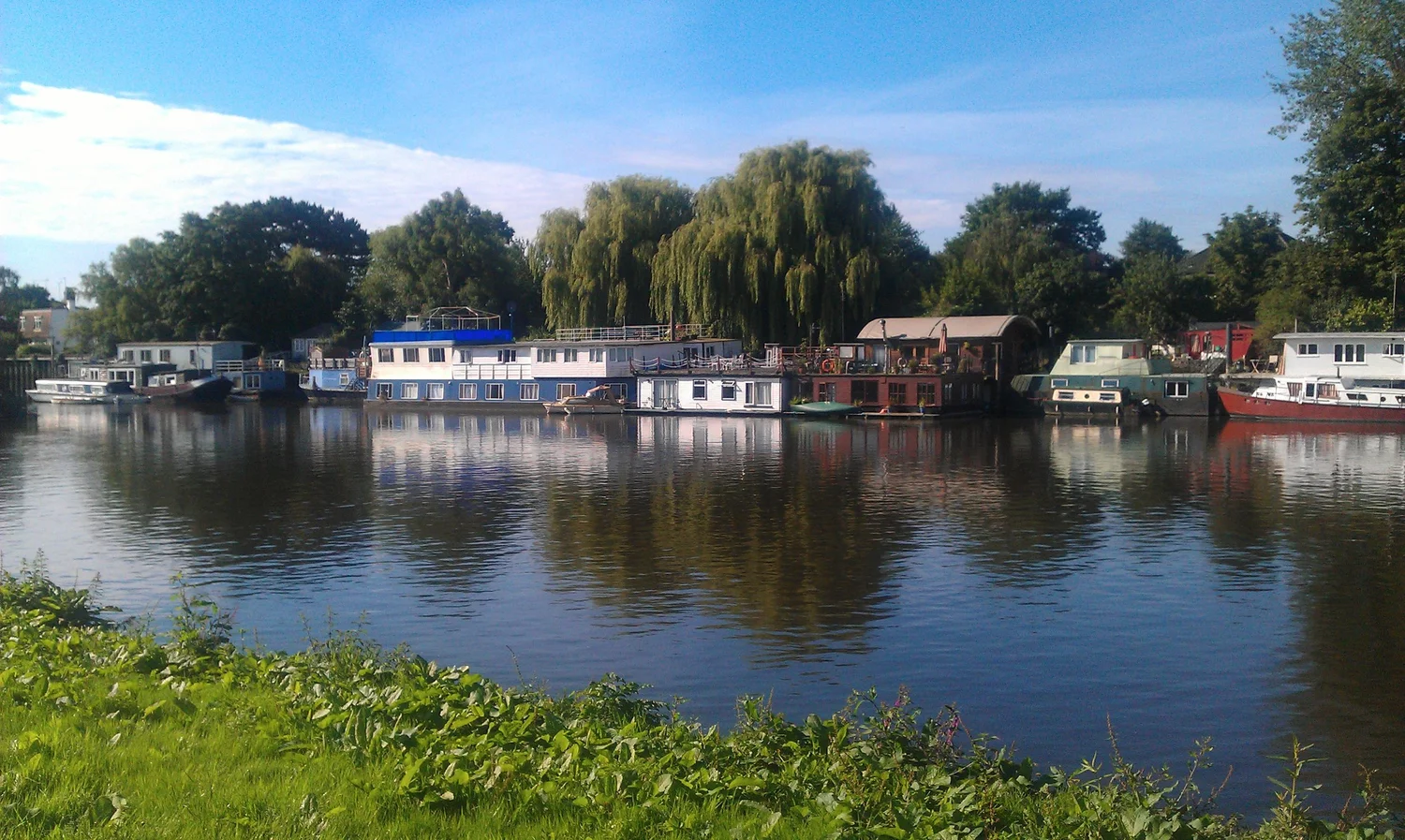
Twickenham's relationship with the Thames is central to its character. The historic riverside includes narrow lanes, older buildings, the Embankment and views towards Eel Pie Island, while larger open spaces such as Marble Hill Park add a different setting.
Local conservation information: London Borough of Richmond upon Thames .
Allianz Stadium, Twickenham
The stadium is one of Twickenham's most recognisable landmarks and plays a major role in the area's identity. England Rugby currently refers to the venue as Allianz Stadium, Twickenham.
Match days and major events can change traffic and footfall locally, while the stadium's proximity to the station makes this part of Twickenham quite different from the quieter riverside and residential streets elsewhere in TW1 and TW2.
Official venue information: England Rugby — Allianz Stadium, Twickenham .

Selling & Letting Property in Twickenham
Twickenham is not one uniform market. A riverside flat, period terrace near the Green, penthouse by the station and family house in TW2 can attract very different buyers and tenants.
Selling a home in Twickenham
A strong sales strategy starts with the individual property. Architecture, tenure, condition, outside space, parking, station access, school catchments and proximity to the river can all influence buyer response.
We combine considered pricing with professional photography and presentation so your Twickenham property launches with a clear strategy rather than simply appearing as another portal listing.
Letting a property in Twickenham
Twickenham's rental market includes family houses, period flats, station-adjacent apartments and newer developments. Rental performance depends on property type, finish, location and competing supply at the time of launch.
We provide tenant sourcing, presentation advice, compliance support and full property management for landlords across TW1 and TW2.
Twickenham's History & Character
Twickenham's modern property market sits within a town shaped by the Thames, historic estates, railway expansion and strong cultural associations.
A surviving land charter references a settlement called “Twicanhom”, showing the area's long history.
The early settlement developed around the church and streets running down towards the river.
Large riverside houses and estates helped establish Twickenham as a fashionable retreat from London.
Rail access accelerated suburban growth and the development of new housing for London commuters.
The island has long combined river activity, residential use and a creative cultural reputation.
Historic streets, suburban housing, the Thames and the stadium create several distinct local property markets.
Richmond upon Thames Property Market Report 2026
Explore the latest official house-price and rental data for Richmond upon Thames, with local property-market commentary covering Twickenham and the wider borough.
Useful Property Links
Explore property listings, seller advice, landlord services and Twickenham valuations from Dwelling & Manor.
Questions About Selling, Letting & Valuing Property in Twickenham
Which parts of Twickenham do Dwelling & Manor cover?
We work across Twickenham, TW1 and TW2, including the riverside and historic centre, Twickenham Green, Strawberry Hill, East Twickenham and surrounding residential areas.
Do you offer property valuations in Twickenham?
Yes. We provide free, no-obligation sales and lettings valuations for Twickenham homeowners and landlords, considering the individual property alongside current competition, comparable evidence and local demand.
Can Dwelling & Manor sell my home in Twickenham?
Yes. Our residential sales service includes valuation and pricing strategy, presentation advice, professional photography, marketing, viewings, buyer follow-up, negotiation and support through to completion.
Do you provide lettings and property management in Twickenham?
Yes. We provide tenant sourcing and lettings support and can manage Twickenham rental properties on an ongoing basis.
How long is the train from Twickenham to London Waterloo?
Direct services operate from Twickenham to London Waterloo. The fastest published journeys can be around 23 minutes, although journey times vary by train and stopping pattern.
What types of homes are found in Twickenham?
Twickenham includes Georgian and Victorian property, Edwardian terraces, inter-war family homes, riverside houses, flats, apartments and newer developments. Micro-location can make a significant difference to value and demand.
Thinking of Selling or Letting Your Property in Twickenham?
Start with a free, no-obligation Twickenham property valuation and clear advice on value, presentation and the best route to market.