
Buying a new build home - Dwelling&Manor
Buying a new build home in 2026: a local buyer’s guide
Buying a new build is a different kind of property purchase. Rather than worrying about decades of wear and tear, you are considering warranties, snagging, completion dates, energy efficiency, service charges and, sometimes, a home that has not even been built yet.
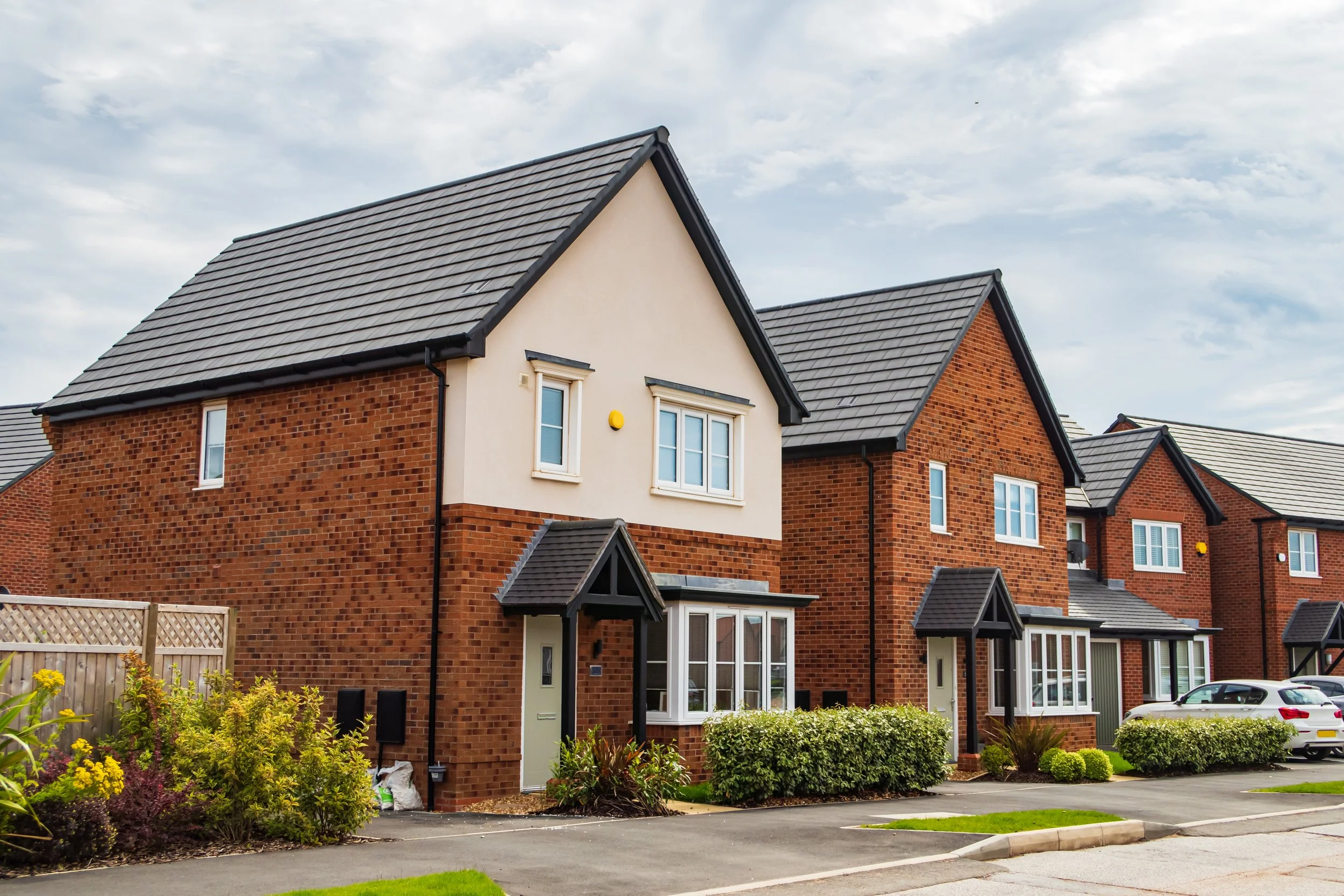
Around Richmond upon Thames and west London, new-build property can take many different forms. You might be considering a contemporary apartment in Brentford, a smaller development around Hampton or Teddington, a newly constructed family home near Twickenham or Richmond, or a modern apartment within easy reach of Chiswick and the Thames.
Each comes with its own advantages and its own questions. At Dwelling & Manor, we help buyers across Richmond, Hampton, Teddington, Twickenham and the surrounding west London property market understand not only the home they are buying, but the location, tenure, ongoing costs and practical details that sit behind it.
The benefits of buying a new build home
There is something particularly appealing about being the first person to live in a home. There are no previous owners' decorating choices to undo, no worn carpets to replace and, in most cases, relatively little immediate maintenance to worry about.
If you reserve early enough in a development, the builder may also allow you to select certain finishes, fixtures or upgrades. Depending on the scheme, that could include kitchen finishes, flooring, bathroom details and other elements of the specification.
New homes are also designed around the way people live today. Open-plan kitchens, en-suite bathrooms, integrated appliances, balconies, private terraces, communal gardens, secure parking and cycle storage are all common features of modern developments.
That can be particularly attractive in areas such as Brentford and Chiswick, where newer apartment developments sit alongside established Victorian, Edwardian and inter-war housing, giving buyers a very different choice of property and lifestyle.
Why a new build can make a great first home
For first-time buyers, a new build can remove some of the uncertainty that comes with buying an older property. Major components are new, modern building standards apply, and qualifying homes will usually come with a structural warranty.
The Government's First Homes scheme also continues to exist. Where a qualifying First Home is available, eligible first-time buyers can purchase at a discount of at least 30% against market value. In London, the maximum initial sale price after the discount is currently £420,000, although local rules can set a lower cap.
One important change is that developers are no longer nationally required to provide a fixed proportion of First Homes within affordable housing on new developments. Availability therefore varies considerably between developments and local authorities.
If the scheme interests you, ask the developer, selling agent or local authority at the beginning of your search rather than assuming a particular development will offer it.
New builds and energy efficiency
Energy efficiency is another major attraction. Modern homes are generally built to considerably newer insulation and energy standards than much of the existing housing stock across Richmond upon Thames and west London.
That difference can be particularly noticeable locally. A modern apartment in Brentford or Richmond may have a very different heating, glazing and insulation specification from a Victorian terrace in Teddington, Hampton or Chiswick.
The standards are moving further again. The Future Homes and Buildings Standards are due to come into force on 24 March 2027. New homes built to those standards will require low-carbon heating and high levels of energy efficiency, with traditional gas boilers unable to meet the required performance standard.
When comparing developments, always look at the Energy Performance Certificate, heating system and estimated running costs rather than relying on the word "new" alone.
What are the downsides of buying a new build?
New does not automatically mean perfect.
You are often paying a premium for a home that nobody else has lived in, and that can affect the way its value behaves during the first few years. If an identical brand-new apartment is still available from the developer when you decide to sell yours, a buyer may naturally compare the two.
For that reason, a new build will often make more sense when you are comfortable living there for a reasonable period rather than relying on a quick resale.
You are also the first person to discover the smaller imperfections that only become apparent once a home is occupied. Doors may need adjusting, paintwork can need touching up and fittings occasionally need attention. This is where snagging becomes important.
The other consideration is space. Some modern apartments prioritise efficient layouts and communal facilities, whereas an older maisonette or period flat nearby may provide more internal or external space for the same budget. Neither is automatically better; they are simply different purchases.
A new build should be judged as a home first and a new home second. The location, space, tenure and long-term costs still matter just as much as the finish.
Snagging and dealing with problems
A new home is expected to be ready to live in, but small defects after completion are common enough that every buyer should understand the snagging process.
Inspect the property carefully and record anything that appears damaged, incomplete or incorrectly finished. Some buyers choose to carry out their own snagging inspection, while others instruct a specialist snagging surveyor.
Most newly built homes intended for mortgage purchase are also sold with a recognised structural warranty, commonly provided through organisations such as NHBC or another approved warranty provider. Your solicitor and mortgage lender should confirm exactly what protection applies to the home you are purchasing.
Your first step when a defect appears should normally be to contact the developer and follow its after-sales procedure.
Buyers of homes covered by the New Homes Quality Code have an additional form of redress. Registered developers must provide an after-sales and complaints procedure, and qualifying buyers can refer unresolved complaints to the New Homes Ombudsman Service.
Under the current Code, that protection generally applies for two years from reservation or legal completion, whichever is later.
Buying a new build off-plan
In many developments, particularly larger apartment schemes around Brentford and other parts of west London, you may be buying before the property itself is complete.
Buying off-plan can give you access to a wider choice of plots, floors, aspects and specifications. It can also mean committing to something that you have so far seen only through plans, computer-generated images, a show home or a marketing suite.
Find out exactly what you are buying
Make sure the specification is clear. Ask which appliances, flooring, wardrobes, lighting, parking spaces, balconies, terraces and other features are actually included in the agreed price.
A beautifully dressed show home is designed to demonstrate what the development could look like. Not every item you see will necessarily form part of the standard specification.
Look carefully at the position of the property
With an apartment, the plot number alone tells you very little. Look at the floor, orientation, view, neighbouring units, lift position, refuse stores, parking areas, communal entrances and any commercial space beneath or beside the apartment.
Around the Thames in Richmond, Brentford and Chiswick, aspect can make a particularly noticeable difference to a property. Two otherwise identical apartments can feel completely different depending on their floor, outlook and orientation.
Check the completion timetable
Off-plan purchases involve an expected completion window rather than the certainty of moving into an established home on a date chosen by both parties.
Your contract may refer to anticipated completion dates and a long-stop date. Ask your solicitor to explain exactly what these mean and what your options would be if construction were delayed.
Your mortgage offer will also normally have an expiry date. If a build takes longer than expected, speak to your mortgage broker or lender early about how an extension or new application would be handled.
Service charges and estate charges
A modern development may have beautifully maintained communal spaces, but those facilities have to be paid for.
Apartment service charges can contribute towards items such as lifts, communal cleaning, landscaping, buildings insurance, concierge services, communal heating systems, gyms, gardens and private roads.
Ask for the anticipated service charge before reserving and find out exactly what it covers. If the development includes extensive facilities, consider whether those are facilities you genuinely value enough to pay for each year.
Freehold houses on modern private developments can also have estate management charges for landscaped areas, private roads or shared facilities, so "freehold" should not automatically be interpreted as meaning there are no ongoing communal costs.
Leasehold or freehold?
This is one of the most important questions to ask when buying any new home.
New houses are increasingly sold freehold, and the Leasehold and Freehold Reform Act 2024 contains provisions intended to prohibit most new long residential leases of houses, subject to limited exceptions and the relevant provisions being brought into force.
If you are buying a house, ask the developer or selling agent to confirm the tenure in writing rather than assuming it is freehold.
Flats remain much more commonly leasehold at present. Government policy is moving towards commonhold becoming the default tenure for new flats in the future, but buyers should base today's purchase on the legal structure that actually applies to the property they are buying.
What about ground rent?
For most qualifying new residential long leases granted since 30 June 2022, financial ground rent has effectively been abolished and restricted to a peppercorn, meaning no meaningful monetary ground rent is payable.
That does not remove service charges, estate charges or other legitimate costs associated with the property, so your solicitor should still review the lease and all management arrangements carefully.
How long is the lease?
New-build apartment leases are commonly granted for lengthy terms, but there is no reason to assume. Ask for the precise lease length and let your solicitor confirm the terms.
Also check restrictions relating to pets, alterations, letting the property, balconies, parking and the use of communal areas. These can matter just as much to everyday life as the headline lease length.
Location still matters more than the show home
One of the easiest mistakes when buying a new build is becoming so focused on the development that you forget to assess the wider area.
Richmond upon Thames and west London are particularly good examples of why the micro-location matters.
A home in Richmond may appeal for its town centre, river, Richmond Park and transport connections. Teddington offers a different atmosphere, with its independent high street, Bushy Park and strong residential character.
Hampton and Hampton Hill can offer more suburban surroundings while remaining well connected to the wider borough, while Twickenham combines established residential roads, railway connections and a busy town centre.
Further east, Brentford has seen substantial regeneration and residential development, particularly around the waterfront and key transport routes, while Chiswick combines newer apartment schemes with one of west London's most established residential markets.
Even within each of these areas, a few streets can change the character, convenience and value of a property considerably. That is where genuinely local property advice becomes useful.
New build viewing checklist
Before reserving a new build home in Richmond, Hampton, Teddington, Twickenham, Brentford, Chiswick or the surrounding west London area, we would suggest checking the following:
Tenure: Is the property freehold, leasehold or another form of ownership?
Lease: If it is leasehold, how long is the lease and what restrictions apply?
Service or estate charge: What is the estimated annual cost and what does it cover?
Specification: Exactly what is included in the agreed purchase price?
Warranty: Which new-home warranty applies and when does the cover begin?
Developer: Is the developer registered with the New Homes Quality Board and does the New Homes Quality Code apply?
Snagging: When can the property be inspected and how are defects reported after completion?
Completion: What is the expected build window and is there a long-stop date?
Mortgage: Will your mortgage offer remain valid through the anticipated build period?
Parking: Is the space allocated, demised, leased or simply available on a first-come basis?
Location: Have you visited the surrounding area at different times of the day?
Future development: What is still due to be built around your property and could the outlook change?
Questions buyers often ask us about new builds
Are new builds more expensive than older properties?
A brand-new property can command a premium because you are buying a home that has never been occupied, often with a warranty, modern specification and lower immediate maintenance requirements.
The important question is whether that premium makes sense for the particular property and location. We would always recommend comparing it with both other developments and established homes nearby.
Should I have a survey on a new build?
A new-build warranty is not the same thing as an independent inspection. Depending on the property, buyers may choose a professional snagging inspection or another form of survey. Speak to an appropriately qualified surveyor about what is suitable for the home you are purchasing.
Can I negotiate with a new-build developer?
It depends on the development, the stage of construction, demand and the individual property. Sometimes the conversation is around price; in other cases a developer may discuss incentives, upgrades or contributions.
Look at the complete package rather than focusing only on the advertised incentive. Ultimately, the underlying purchase price and suitability of the home matter more.
Is buying off-plan risky?
It is a different type of purchase rather than automatically a bad one. You are committing before you have lived in or, in some cases, physically walked through the finished property. That makes the specification, contract, developer, warranty, mortgage arrangements and completion provisions particularly important.
Are new build flats still leasehold?
Many new flats are currently still sold leasehold. Government reforms are moving towards commonhold becoming the default model for new flats, but buyers should not rely on future reform when assessing a property today. Ask exactly what tenure you are purchasing and have your solicitor review the documentation.
Buying a new build around Richmond and west London
Choosing the right new build involves more than deciding which kitchen finish you prefer. The development, service charges, specification, orientation, tenure, warranty, transport links and surrounding streets all contribute to whether the property will work for you in the long term.
This is particularly important across the varied property market surrounding Richmond upon Thames. A new apartment in Brentford, a family home in Hampton, a flat in Teddington, a development near Twickenham or a modern property towards Chiswick can each offer something very different.
Dwelling & Manor is an independent, owner-led local estate agent helping buyers, sellers, landlords and tenants across Richmond upon Thames and west London.
Whether the property is brand new, Victorian, Edwardian, mid-century or somewhere in between, you are always welcome to speak to us. If you are considering a new build locally and simply want a second opinion on the property, development or area, we are here to help.
Thinking about buying a new build locally?
From Richmond, Hampton, Teddington and Twickenham to Brentford, Chiswick and the surrounding west London market, speak to Dwelling & Manor for friendly, local property advice. Whether it is a new development or an established home, we are here to help you make a more informed move.
View properties for sale