
Richmond Area Guide
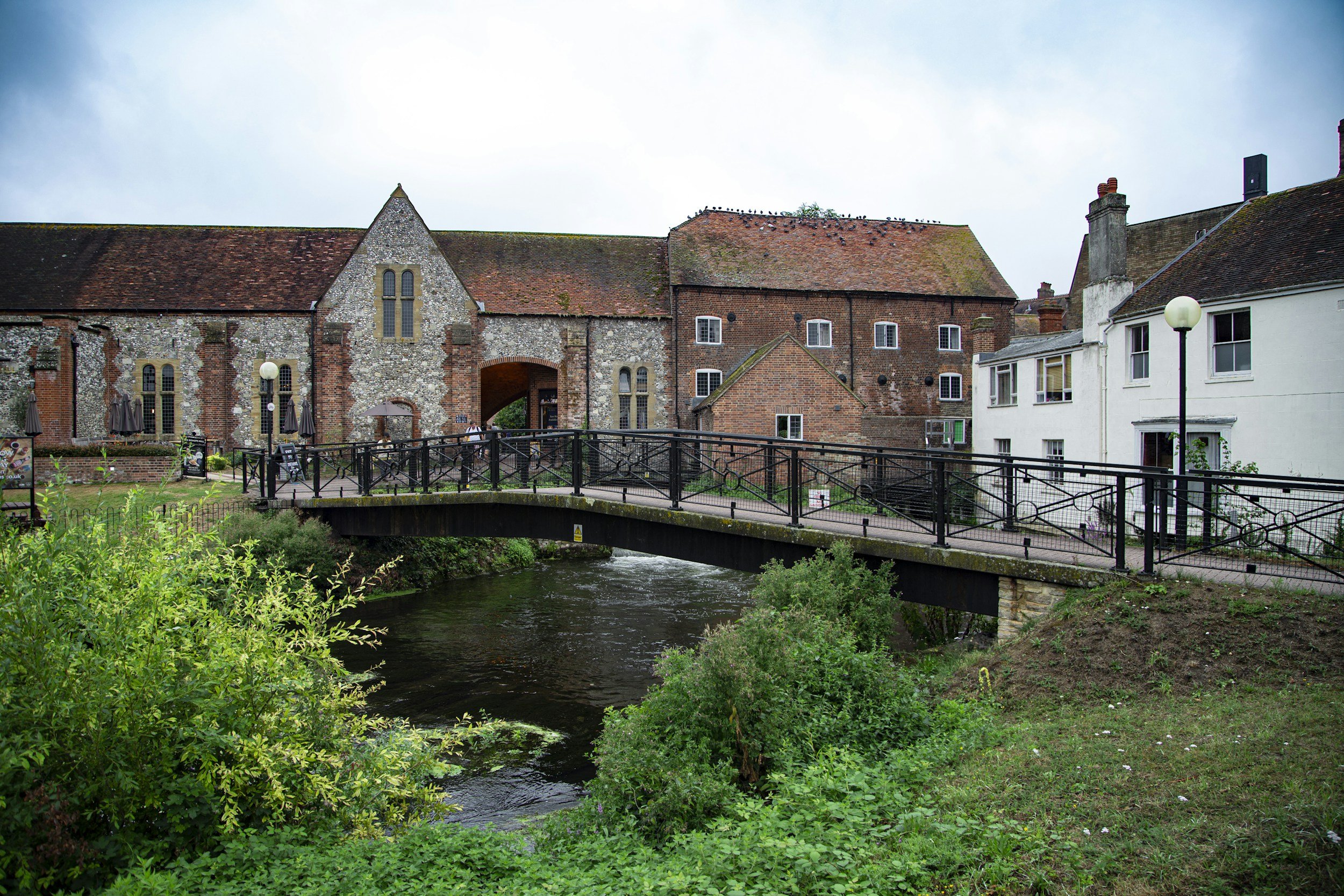
“Richmond sits along a sweeping curve of the Thames at the heart of the borough. Known for its elegant period homes, vast green spaces and refined yet relaxed atmosphere, it offers a rare blend of village charm and urban sophistication. With Richmond Park, the riverside and a vibrant town centre on its doorstep, it stands as one of southwest London’s most desirable and picturesque places to live.
How Richmond ranks as a place to live
A refined snapshot of Richmond’s liveability, culture, green space and riverside lifestyle.
Schools
9.3 / 10
Outstanding state and independent schools with consistently high academic performance.
Green space
9.6 / 10
Richmond Park, the Thames towpath and abundant local gardens create unparalleled natural access.
Transport
8.2 / 10
District line, Overground, fast trains to Waterloo and strong road links across southwest London.
Community
9.0 / 10
A settled, family‑oriented community with a vibrant high street and strong neighbourhood identity.

Richmond fact file
Ancient riverside origins: Settlement along this stretch of the Thames dates back thousands of years, with early communities drawn to its fertile banks and strategic crossing points.
Medieval Shene: By the 14th century the area—then known as Shene—had become a royal retreat, with a palace complex that anchored courtly life and shaped the surrounding settlement.
Tudor transformation: After Henry VII rebuilt the palace and renamed it Richmond, the district grew into a major centre of royal influence, attracting craftsmen, traders and aristocratic households.
Georgian elegance: The 18th century brought landscaped vistas, grand townhouses and the formalisation of Richmond Hill’s protected views—an early expression of conservation values that still define the area.
Victorian prosperity: Rail connections in the mid‑19th century turned Richmond into a fashionable suburban escape, introducing terraces, villas and civic buildings that remain central to its character.
20th‑century refinement: Steady residential growth, combined with the safeguarding of Richmond Park and the riverside, cemented its reputation as one of London’s greenest, most desirable districts.
Present day: A culturally rich, conservation‑minded riverside town known for its period architecture, protected landscapes and a village‑like atmosphere that balances heritage with modern life.
Why move to Richmond?
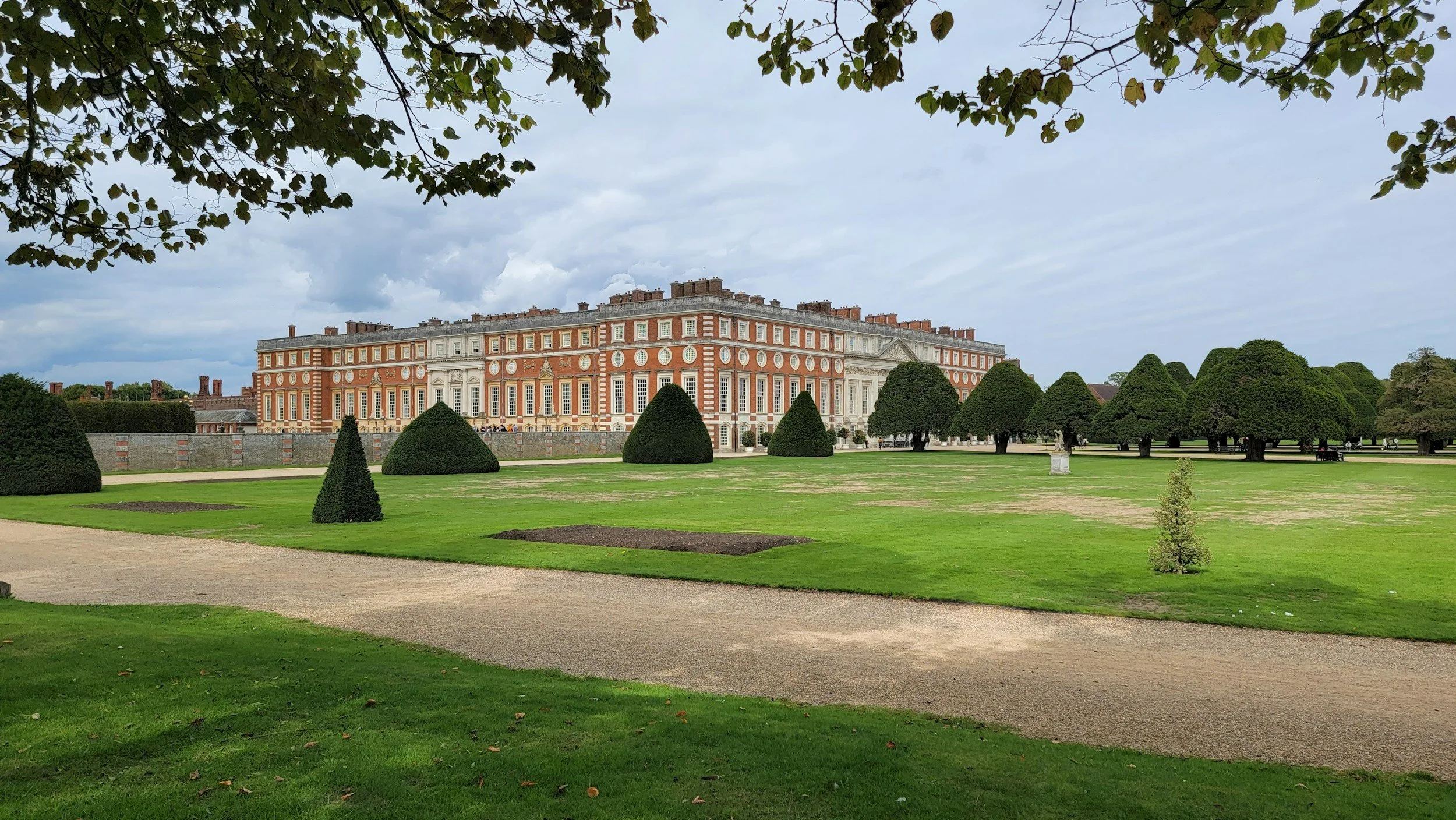
Richmond appeals to those seeking village‑like tranquillity with unmistakably London sophistication. Families value its outstanding schools, expansive green spaces and safe, walkable neighbourhoods. Professionals appreciate the swift rail links into Waterloo and the District line connection, as well as the straightforward access to Heathrow. The town centre blends independent shops, cafés and cultural institutions with everyday essentials, while the river, Richmond Park and protected landscapes offer year‑round outdoor life. Richmond balances heritage, greenery and urban convenience — a rare combination even by London standards.
Architecture and property
Richmond offers an exceptional variety of homes, from grand Georgian townhouses and elegant Victorian villas to Arts & Crafts houses, Edwardian terraces and contemporary riverside apartments. Key residential pockets include:
Richmond Hill — Georgian and Victorian houses, mansion flats and prized streets with protected views across the Thames.
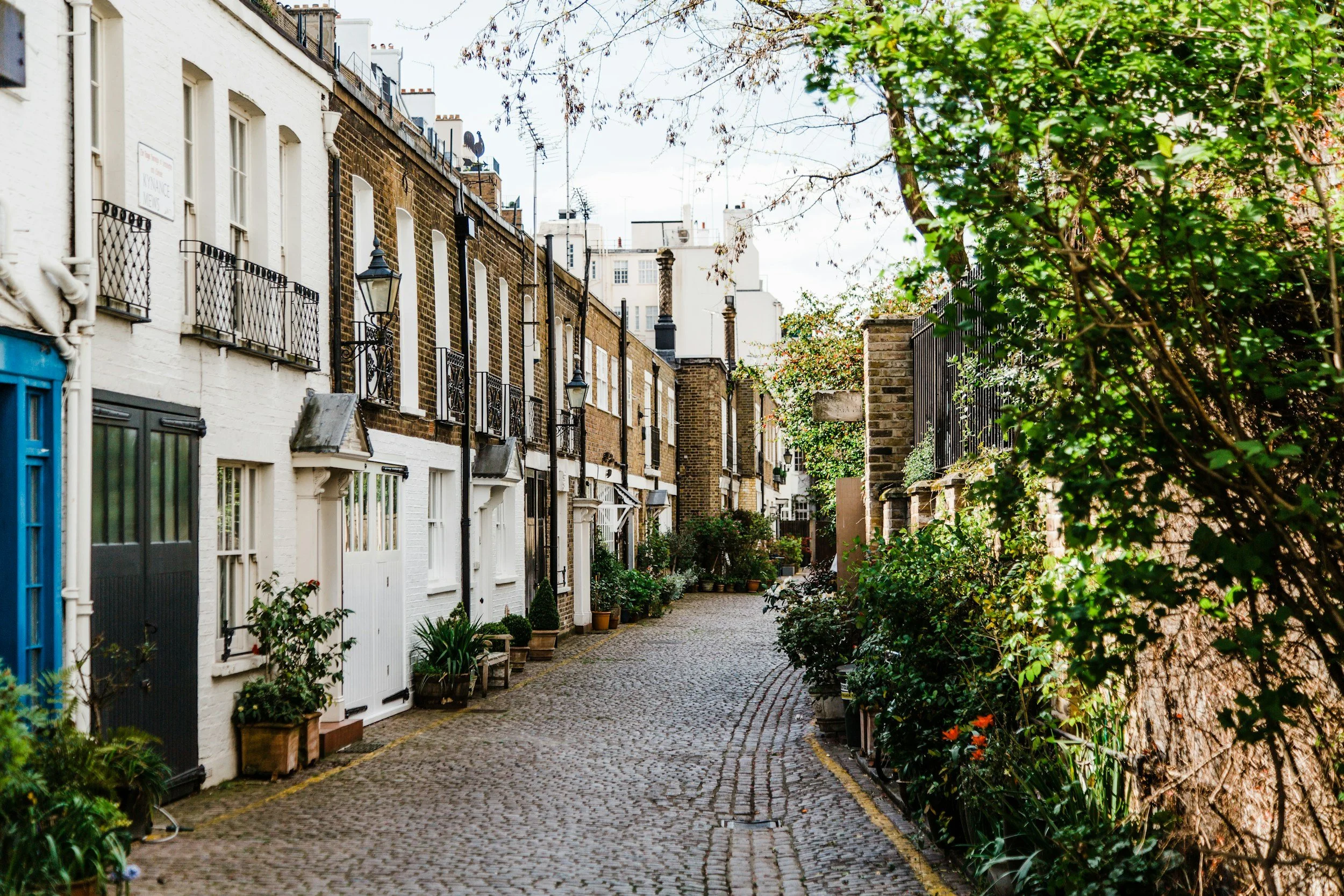
Richmond Green & Old Town — period townhouses, mews homes and historic lanes centred around one of London’s most atmospheric greens.
East Sheen fringe — wide tree‑lined avenues with Edwardian family homes, larger detached houses and a strong village feel.
Richmond Riverside — modern apartments, warehouse conversions and period buildings overlooking the Thames and its landscaped walkways.
North Sheen & Kew Road corridor — Victorian terraces, 1930s houses and access to both Richmond Park and Kew Gardens.
The area’s architectural mix mirrors the pattern seen across southwest London, where Georgian, Victorian and Edwardian homes form the backbone of the housing stock, complemented by sensitive modern development.
Hampton investment health score
A calm snapshot of average values, yields, and overall investment health for Hampton.
Overall health
Hampton- 5‑year price trend
- ▲ Up overall
- Rental demand
- High for family homes & commuters
- Risk profile
- Low–medium, income‑focused
Houses
Freehold- Average purchase price
- £685,625
- Typical monthly rent
- £2,320
- Gross rental yield
- 4.5%
- Void risk
- Low for well‑presented family homes
Family‑led demand underpins stability; period homes near the village core let quickly.
Flats
Leasehold- Average purchase price
- £366,550
- Typical monthly rent
- £1,500
- Gross rental yield
- 4.5%
- Service charge impact
- Moderate – factor into net yield
Purpose‑built blocks with good management offer predictable yields and lower maintenance volatility.
Richmond investment health score
A calm snapshot of average values, yields, and overall investment health for Richmond.
Overall health
Richmond- 5‑year price trend
- ▲ Up overall (premium but cooling slightly)
- Rental demand
- Very high among professionals & families
- Risk profile
- Low–medium, capital‑focused
Houses
Freehold- Average purchase price
- £768,000
- Typical monthly rent
- £2,619
- Gross rental yield
- 4.1%
- Void risk
- Low in well‑located family homes
Richmond’s family‑driven market keeps houses highly liquid; proximity to parks and stations accelerates lettings.
Flats
Leasehold- Average purchase price
- £612,000
- Typical monthly rent
- £1,816
- Gross rental yield
- 3.5%
- Service charge impact
- Moderate – reduces net yield
Purpose‑built blocks near the river and station corridors offer predictable demand and stable occupancy.
Richmond enjoys exceptional transport connectivity that supports effortless daily travel while preserving the area’s refined, village‑like character. Fast, frequent South Western Railway services run directly to London Waterloo, with additional interchange options at nearby hubs such as Clapham Junction and Vauxhall. The District line and London Overground extend the network further, placing much of London within easy reach without compromising Richmond’s calmer, more residential feel. Road links are equally strong, with the A316 providing swift access to the M3, central London and Heathrow, ensuring both local convenience and wider connectivity.
Transport Links
National Rail
Typical off‑peak journey times from Richmond station.
Choose a station and destination to see journey details.
Tube
Richmond District lineAlso served by London Overground and National Rail.
Richmond → Westminster
≈ 35–40 minutes
Richmond → Victoria
≈ 35–40 minutes
Richmond → Embankment
≈ 32–36 minutes
Green space
Richmond is defined by extraordinary natural landscapes, offering some of London’s most remarkable green spaces:
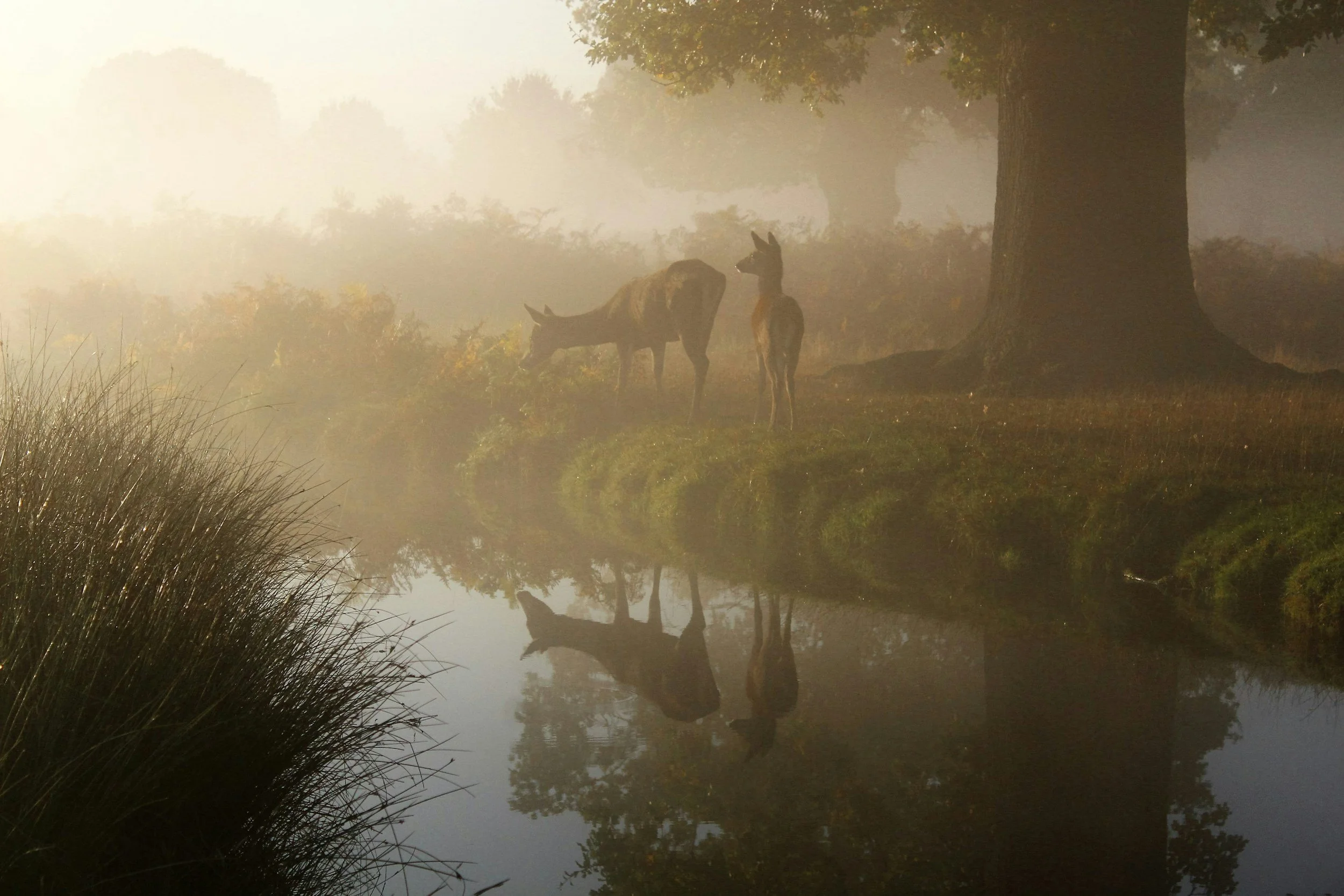
Richmond Park — the largest of London’s Royal Parks, home to ancient woodland, sweeping grasslands and free‑roaming deer, with endless walking, cycling and running routes.
The River Thames — a picturesque stretch of the river with towpaths perfect for weekend strolls, paddleboarding, rowing and riverside cafés.
Terrace Gardens & Richmond Hill — landscaped gardens, historic viewpoints and the only protected view in England, overlooking the Thames’ famous bend.
Kew Gardens — a world‑renowned botanical landscape with glasshouses, arboretums and seasonal exhibitions, moments from Richmond’s northern edge.
Old Deer Park — expansive open fields, sports grounds and riverside walks connecting Richmond to Kew.
-
Richmond offers a refined dining scene, blending riverside restaurants, independent neighbourhood favourites and well‑loved gastropubs. From seasonal British menus to global cuisine, the town’s food culture mirrors its character — relaxed, elegant and effortlessly welcoming.
-
Richmond’s shopping streets blend independent boutiques with well‑curated lifestyle stores and established brands. From fashion and homeware to artisan food shops, the town offers a refined, village‑like retail experience with a distinctly local character.
-
Richmond’s pubs and cafés offer a warm, village‑like atmosphere — from historic riverside pubs to independent coffee houses, each bringing a relaxed, local charm to the town’s daily rhythm.
-
Richmond offers exceptional days out, from riverside walks and panoramic hilltop views to world‑class gardens and vast parkland. Whether exploring Richmond Park, wandering the Thames towpath or visiting Kew Gardens, the area is shaped by nature, history and open‑air adventure.
-
Richmond is known for its excellent schools, offering a mix of outstanding state options and respected independent institutions. From early years to sixth form, the area’s education landscape is consistently high‑performing and sought after by families.